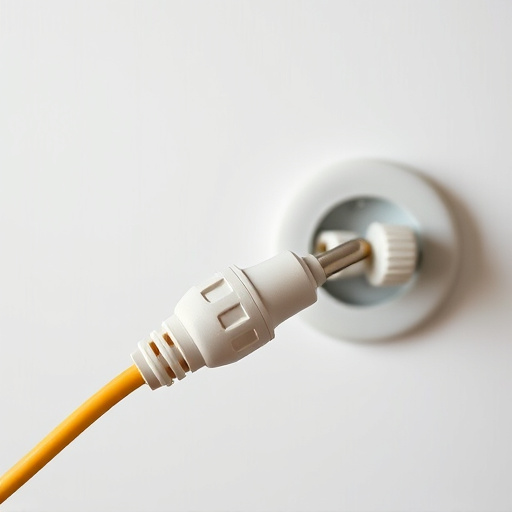
Regular appliance cord inspections and prompt replacements are vital home repairs to prevent electrical fires, a leading cause of residential blazes. Look for damage like frayed insulation, exposed wires, or charring. Keep cords clear of traffic areas, heat sources, and debris. Replace damaged or old appliances and cords immediately to enhance fire safety and maintain a secure living environment through proper home repairs.
In the realm of home safety, preventing electrical fires through regular appliance cord inspections is a crucial aspect often overlooked during home repairs. Electrical malfunctions are a leading cause of residential blazes, emphasizing the need for proactive measures. This article delves into the practical steps involved in identifying potential hazards associated with worn or damaged appliance cords. By arming homeowners and professionals alike with this knowledge, we aim to contribute to a safer living environment, underscoring that a simple inspection can prevent devastating fires and save lives.
- Understanding Appliance Cord Risks at Home
- Regular Inspection: A Key Fire Safety Step
- Common Issues to Look Out for in Cords
- Preventing Electrical Fires Through Maintenance
Understanding Appliance Cord Risks at Home
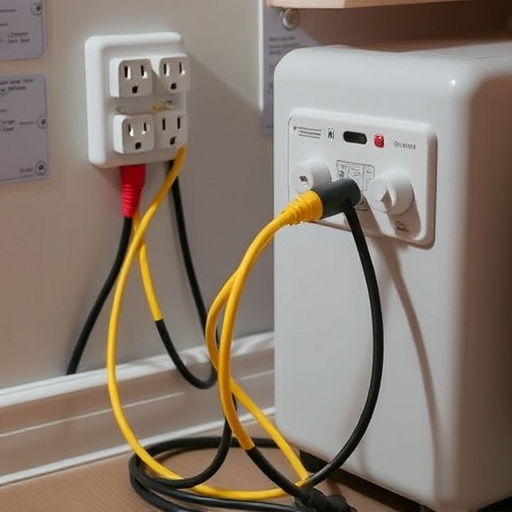
At home, appliance cords often go unnoticed until a problem arises. However, these seemingly innocuous cables can pose significant electrical fire hazards if not properly maintained. Understanding the risks associated with appliance cords is the first step in preventing potential disasters. According to the National Fire Protection Association (NFPA), electrical fires are a leading cause of residential blazes, with many occurring due to faulty wiring or overloaded circuits. Among these, issues related to appliance cords, such as frayed insulation or loose connections, contribute substantially.
Regular inspections are crucial for identifying cord-related risks early on. During these checks, homeowners should look out for visible damage, including cracks, cuts, or exposed wires. Even minor wear and tear can lead to arcing and sparking, which over time, can escalate into a fire. For instance, an old toaster with a frayed cord might seem harmless, but the constant exposure to heat and electricity can eventually cause a short circuit. Home repairs focused on cord maintenance should include replacing damaged cords or appliances to mitigate these risks effectively.
Moreover, it’s essential to be mindful of where cords are placed. Running cables under carpets or furniture can create a fire trap as these materials are excellent insulators that can trap heat and prevent cooling airflow. Similarly, bundling multiple cords together can overheat them, increasing the chances of insulation melting or igniting nearby combustible materials. Homeowners should consider rerouting cords away from high-traffic areas or potential hazards, ensuring they have adequate space for safe operation. Regular cord inspections coupled with strategic home repairs and placement are key to minimizing these risks and keeping your home safe from electrical fires.
Regular Inspection: A Key Fire Safety Step
Regular inspections of appliance cords are an often-overlooked yet critical component of home fire safety. According to the National Fire Protection Association (NFPA), electrical fires are a leading cause of home blazes, accounting for approximately 51,000 fires annually in the US alone. A significant factor contributing to these incidents is damaged or improperly used cords. Regular cord inspections can identify potential hazards before they escalate into dangerous situations. Homeowners should make it a point to examine cords periodically, paying special attention to signs of wear and tear.
During an inspection, look for any frayed, exposed wires, cracks in the insulation, or areas where the cord has been bent beyond its limits. Such damage can lead to arcing and sparking, causing fires. For instance, a common culprit is a cord that has been pinched between furniture and walls or tightened excessively when routing through tight spaces. Home repairs should include replacing any damaged cords immediately to mitigate risks. Many local fire departments offer free safety checks, including cord inspection, as part of their community outreach programs.
Practical advice includes keeping cords clear of traffic areas and away from heat sources like radiators or direct sunlight. Regular cleaning around outlets and appliances can also help prevent dust buildup, which may insulate wires and cause overheating. By incorporating these simple steps into your home maintenance routine, you contribute significantly to fire safety, ensuring a secure and comfortable living environment.
Common Issues to Look Out for in Cords

In the realm of home safety, appliance cord inspections are a crucial aspect of fire prevention often overlooked during routine home maintenance. Electrical fires, though rare, can be devastating. A comprehensive understanding of common cord issues is essential for every homeowner to ensure the well-being of their families and properties. During these inspections, pay close attention to visible signs of damage, such as cracked or frayed insulation, exposed wires, loose connections at plugs or connectors, and any signs of burning or charring.
One of the most prevalent issues is cord entanglement or compression due to improper placement or tight spaces. This can lead to increased resistance and overheating, posing a significant fire hazard. For instance, a study by the U.S. Fire Administration revealed that over 40% of electrical fires in residential buildings are caused by faulty wiring or damaged cords. Another common problem is old or outdated appliances with worn-out cords that may lack proper insulation, making them more susceptible to damage and increasing the risk of electrical failure. Regular home repairs should include cord replacement for appliances that show signs of wear or have been in use for over 10 years.
Moreover, inspect cords for excessive kinks or bends, especially near connectors or power sources. These can cause internal damage and lead to arcing or sparking, potential fire starters. It’s also vital to check for any signs of moisture or liquid exposure, which can create a conductive path for electricity and increase the likelihood of electrical fires. Homeowners should consider replacing cords that have been exposed to water or extreme weather conditions. Regular cord maintenance, combined with prompt replacement of damaged or old cords, is a proactive approach to mitigating electrical fire risks in your home.
Preventing Electrical Fires Through Maintenance

Regular appliance cord inspections are a critical component of home safety, serving as a powerful defense against electrical fires—a leading cause of residential blazes globally. The wear and tear inherent in daily use make cords particularly vulnerable to failure, with frayed or exposed wires posing a significant risk. A simple yet effective maintenance practice can significantly reduce these dangers. Homeowners should adopt a routine that includes periodic visual examinations and the replacement of damaged cords, ideally before any signs of distress become critical.
For instance, a study by the National Fire Protection Association (NFPA) revealed that electrical fires in the home account for an estimated 51,000 blazes annually in the U.S., resulting in substantial property damage and loss of life. A significant proportion of these incidents can be traced back to issues with electric cords, underscoring the importance of proactive cord maintenance. Home repairs related to cord replacement may seem like a minor inconvenience compared to the potential consequences of an electrical fire. However, this simple action can serve as a powerful preventive measure, offering peace of mind and safeguarding your home and loved ones.
To ensure safety, homeowners should look for signs of damage such as cracked or broken insulation, frayed wires exposed due to worn-out sheathing, or any signs of charring or overheating. If identified, these issues require immediate attention. Replacing damaged cords is a straightforward process that can be accomplished with minimal tools and expertise. Many hardware stores offer pre-cut replacement cords suitable for common appliances, making the task accessible even for those with limited home repair experience. Regular cord inspections and replacements are not just about fire prevention; they contribute to maintaining an efficient, safe, and comfortable living environment.
Appliance cord inspections are a critical component of home fire safety, as regular assessments can prevent electrical fires and associated hazards. By understanding common risks and issues like frayed or damaged cords, loose connections, and inappropriate use, homeowners can take proactive measures during home repairs to maintain safe operating conditions. Regular inspection routines, coupled with timely maintenance, significantly reduce the likelihood of electrical fires, ensuring a safer living environment for all.