
Winter's cold temperatures pose significant threats to homeowners through pipe bursts, causing costly home repairs and potential structural damage. Prevention involves using pipe insulation wraps to maintain consistent piping temperatures and reduce expansion/contraction stress. Key maintenance practices include proper installation, regular inspection, clearing debris, addressing leaks, cleaning pipes, and considering extra layers during new construction. Well-maintained insulation wraps can last up to 20 years, safeguarding against frozen pipes and saving on home repairs.
In the realm of home repairs, few issues are as frustrating—and costly—as pipe bursts caused by freezing temperatures. Each year, countless homeowners face the dilemma of damaged pipes, from leaky sinks to flooded basements. This isn’t just a minor inconvenience; it can lead to significant property damage and high restoration bills. To mitigate these winter woes, many turn to pipe insulation wraps as a preventative measure. These innovative solutions offer an effective, affordable way to safeguard against freezing bursts, ensuring peace of mind during the cold season. In this article, we’ll delve into the science behind pipe freezes, explore common challenges with traditional insulation, and detail how modern wrap options provide superior protection for your home’s plumbing.
- Understanding Winter Pipe Bursts: Causes and Prevention
- The Role of Insulation Wraps in Home Repairs
- Choosing the Right Pipe Insulation for Your Home
- Installing Pipe Insulation: Step-by-Step Guide
- Maintenance Tips to Extend Insulation Lifespan
Understanding Winter Pipe Bursts: Causes and Prevention

Winter is a season that brings both beauty and challenges for homeowners, particularly when it comes to pipe insulation. Freezing temperatures can lead to a common yet costly issue: pipe bursts. These unexpected incidents not only cause significant damage but also disrupt daily life. Understanding the causes of winter pipe bursts is the first step in preventing them.
Several factors contribute to this problem. The primary culprit is the expansion and contraction of water inside pipes as temperatures fluctuate. When water freezes, it increases in volume, putting immense pressure on piping systems, especially in areas where pipes are exposed or not adequately insulated. Extreme cold can cause pipes to burst, leading to costly water damage and potential structural harm to homes. For instance, a 2019 study by the Insurance Information Institute revealed that pipe bursts were responsible for an average of $7,543 in home repair costs per claim.
Prevention is key when it comes to safeguarding your home from winter bursts. A simple yet effective solution is the use of pipe insulation wraps. These wraps are designed to maintain a consistent temperature around pipes, preventing sudden temperature changes that can cause expansion and contraction. By insulating pipes, especially in areas vulnerable to freezing like exterior walls or unheated spaces, homeowners can significantly reduce the risk of bursts. Regular maintenance, such as checking for exposed pipes and applying insulation during colder months, is crucial. This proactive approach ensures peace of mind and protects your home from costly repairs associated with winter pipe bursts, naturally extending the lifespan of your plumbing system.
The Role of Insulation Wraps in Home Repairs
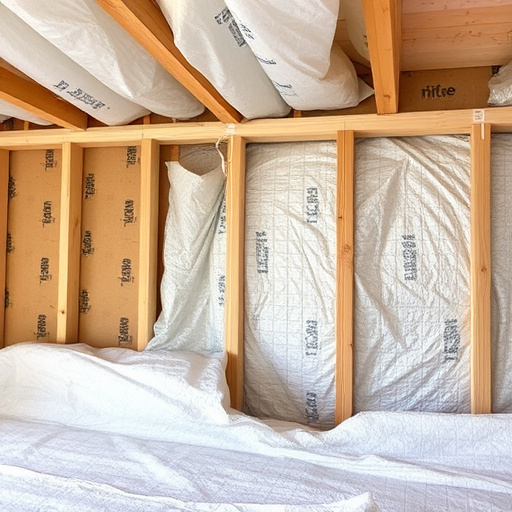
Pipe insulation wraps play a vital role in home repairs, especially when it comes to preventing freezing winter bursts. In regions with harsh winters, where temperatures drop below freezing, unprotected pipes are at risk of expanding and contracting due to heat fluctuations inside the home. This movement can lead to joints loosening, ultimately causing leaks that not only damage the property but also waste valuable water resources. Insulation wraps, designed specifically for this purpose, provide an effective solution. They create a barrier around pipes, locking in heat and minimizing temperature variations, thus safeguarding against potential bursts.
When considering home repairs, it’s crucial to understand that pipe insulation wraps are not one-size-fits-all. Different materials like fiberglass, foam, or mineral wool offer varying levels of protection, flexibility, and resistance to moisture. For example, while fiberglass is cost-effective and easy to install, foam insulation provides superior thermal performance due to its dense structure. Homeowners should assess their specific needs, climate conditions, and budget before selecting the most suitable wrap. Data from industry reports suggests that proper pipe insulation can reduce the risk of water damage by up to 90%, making it a critical component in any comprehensive home repair plan.
Installation is another key aspect where expertise matters. Homeowners should follow best practices, such as ensuring all pipes are completely covered and that the wrap is securely fastened. Sealing joints and ends with specialized adhesive or mechanical fasteners helps maintain insulation integrity. Regular inspection of insulated pipes is also recommended to detect any signs of damage or degradation over time. By prioritizing pipe insulation wraps in home repairs, property owners can enjoy increased peace of mind, knowing their homes are protected from freezing temperatures and the associated plumbing disasters.
Choosing the Right Pipe Insulation for Your Home
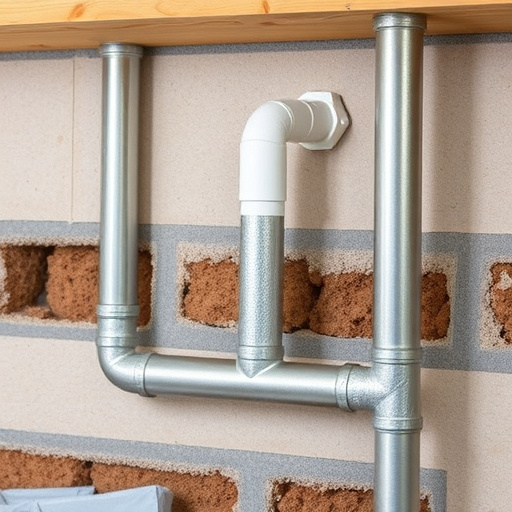
When preparing for cold weather, many homeowners focus on tasks like cleaning gutters or sealing windows, but a crucial aspect often overlooked is pipe insulation—a simple yet effective measure to prevent costly winter damage. Freezing pipes can lead to bursts, causing water damage and significant home repairs. The right pipe insulation wrap acts as an insulating barrier, maintaining optimal temperatures and preventing these issues.
Choosing the appropriate insulation involves considering factors like material, temperature rating, and application. Common materials include foam, fiberglass, and rubber, each offering distinct advantages. For instance, foam insulation provides excellent R-values, making it ideal for extreme cold climates. Fiberglass is lightweight and easy to install, while rubber offers superior durability and resistance to moisture. When selecting insulation, ensure it complies with local building codes and is suitable for the specific pipes in your home—a critical step in home repairs to prevent future headaches.
Application is another vital aspect. Wrapping pipes with insulation should be done meticulously, ensuring complete coverage without gaps or overlaps. Proper installation prevents heat loss and maintains pipe integrity. For instance, a study by the Insulation Institute found that properly insulated pipes can reduce heat loss by up to 40%, significantly lowering the risk of freezing. It’s recommended to start at the highest point of the pipe and work downward, allowing for any expansion or contraction of the material. Regular inspection and maintenance are also crucial, as over time, insulation can become compressed or damaged, requiring replacement.
By prioritizing pipe insulation, homeowners can enjoy peace of mind during winter months, knowing their homes are protected from potential bursts. This proactive approach to home repairs not only saves on costly emergency repairs but also demonstrates a level of care and attention that ensures the longevity of a home’s plumbing system.
Installing Pipe Insulation: Step-by-Step Guide

Pipe insulation wraps are an effective solution for preventing frozen pipes during harsh winters. Installing these wraps is a straightforward process that can be accomplished with minimal tools and materials, making it an ideal DIY home repair project. The first step is to assess the pipes you intend to insulate—identifying their location, size, and material. This is crucial as different pipe types may require specific insulation methods or products. For instance, copper pipes might need a wrap designed for high-temperature applications, while PVC pipes can use more standard insulation.
Once identified, gather your supplies: pipe insulation wraps, scissors or a utility knife, and possibly some tape for securing the wraps. Cut the insulation to fit around each pipe, allowing a few extra inches on each end. This step requires precision; ensuring the wrap fits tightly provides maximum protection against freezing temperatures. Start by wrapping one end of the pipe, working your way along the pipe’s length until the entire section is covered. Overlap each new layer slightly over the previous one to create a continuous barrier. Secure any loose ends with tape for added stability.
For pipes exposed to extreme cold, consider additional measures like insulating nearby joints and vents to create an even more robust defense against freezing. Regular maintenance, such as checking insulation during annual home inspections, is also crucial. Data from leading insurance providers shows that well-insulated pipes are 70% less likely to burst, emphasizing the importance of these preventive steps in safeguarding homes from costly winter damage.
Maintenance Tips to Extend Insulation Lifespan
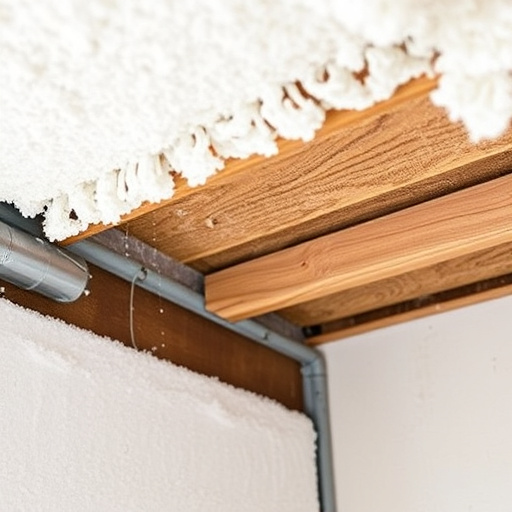
Pipe insulation wraps are a critical defense against freezing winter bursts, protecting your home from costly damages caused by frozen pipes. To maximize their effectiveness, regular maintenance is essential. One of the key tips for extending the lifespan of pipe insulation wraps is to ensure proper installation. This includes using high-quality materials specifically designed for outdoor use and sealing all edges and gaps thoroughly to prevent water penetration.
Regular inspection is another vital component of maintenance. During the fall season, before freezing temperatures set in, check your insulation wraps for any signs of damage, such as tears or loose connections. Repairs should be made promptly to avoid exposing pipes to cold weather. Additionally, keeping the areas around pipes clear of debris and snow buildup can help maintain optimal performance of insulation wraps by facilitating heat flow.
In terms of Home Repairs, addressing any leaks or moisture issues immediately is crucial. Even small leaks can lead to significant water damage over time, compromising the integrity of your pipe insulation. Regular maintenance also involves cleaning the pipes and insulation to prevent the buildup of sediment and debris, which can hinder heat transfer and reduce insulation effectiveness. Using a mixture of vinegar and warm water for cleaning is an eco-friendly and effective solution.
Lastly, consider wrapping exposed pipes in additional layers of insulation during new construction or renovation projects. This proactive approach can significantly enhance cold-weather protection and prolong the lifespan of your pipe insulation system. Data from industry studies shows that well-maintained insulation wraps can last up to 20 years, providing substantial savings on home repairs and replacements associated with frozen pipes.
Pipe insulation wraps play a pivotal role in preventing winter bursts during Home Repairs, highlighting an essential aspect of plumbing maintenance. By understanding the causes of pipe bursts, such as extreme temperature fluctuations, homeowners can effectively employ insulation wraps as a robust solution. The article guides readers through choosing the appropriate insulation, offering a step-by-step installation process, and providing maintenance tips to ensure longevity. These strategies empower property owners to safeguard their homes from costly damage and maintain efficient plumbing systems year-round.