
Home repairs focus on identifying and mitigating electrical overload risks for safe and efficient systems. Key aspects include: assessing wiring age and condition, appliance placement, improper wiring, ventilation issues, outlet/switch overheating, professional evaluation every 10 years, circuit breaker replacements with expert advice, testing, and inspection to avoid fire hazards, equipment damage, or shocks, ensuring proper breaker compatibility based on circuit load, periodic maintenance for damaged breakers or unusual tripping.
In the realm of home repairs, understanding circuit breaker replacements is a vital safety measure that every homeowner should grasp. Circuit breakers are critical components safeguarding your electrical system from overloads, short circuits, and potential fires. However, as time takes its toll, these protectors can fail, leaving your home and family at risk. Recognizing the signs of an aging circuit breaker and knowing how to replace it is a proactive step in ensuring your home’s safety. This article provides an authoritative guide on effectively navigating this essential home repair process, empowering you with the knowledge to mitigate electrical hazards and foster a secure living environment.
- Identifying Overload Risks: Assess Your Home's Electrical System
- Safe Replacement Process: Steps for Circuit Breaker Exchange
- Preventive Measures: Ensuring Safe Operation After Replacement
Identifying Overload Risks: Assess Your Home's Electrical System
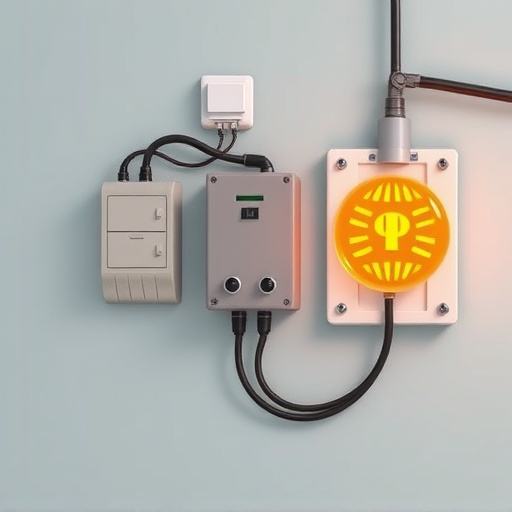
Identifying electrical overload risks is a critical step in ensuring safe home repairs and maintaining a well-functioning electrical system. Overloads occur when too much current flows through a circuit, leading to potential fire hazards, equipment damage, or even electrical shocks. A comprehensive assessment of your home’s electrical system allows you to pinpoint these risks proactively. Start by examining the age and condition of your wiring—older homes may have outdated wiring that cannot handle modern electrical demands. Look for signs of wear and tear, such as frayed wires or loose connections, which can both contribute to overloads.
Consider the number and type of appliances and devices powered by each circuit. High-power items like air conditioners, electric stoves, or multiple high-tech gadgets connected to a single outlet put immense strain on circuits. In one recent case study, a home with several high-definition TVs and gaming consoles on a single circuit experienced frequent breaker trips, highlighting the impact of excessive loadings. Additionally, check for improper wiring practices, like daisy chaining multiple extensions or using inappropriate gauge wires, which can significantly increase the risk of overloads.
During your assessment, pay close attention to poorly ventilated areas where heat buildup from electrical equipment can lead to premature circuit failure. Kitchens, workshops, and entertainment centers are common problem zones. Regularly inspect outlets and switches for signs of overheating, such as glowing or burning odors, which could indicate an overload. Many home repair experts recommend a professional evaluation every 10 years to ensure your electrical system keeps pace with evolving safety standards and your increasing energy needs. Taking these proactive measures can prevent serious accidents and costly home repairs.
Safe Replacement Process: Steps for Circuit Breaker Exchange

When it comes to home repairs, particularly involving electrical systems, one of the most important safety measures is the careful replacement of circuit breakers. Circuit breaker replacements are not only about preventing electrical overload risks; they are a crucial step in ensuring the longevity and safety of your home’s wiring. The process involves several precise steps designed to safeguard both you and your property from potential hazards.
The safe replacement process begins with turning off the power at the main circuit breaker box. This is a critical first step, as it prevents any accidental shocks or short circuits during the exchange. Once the power is shut off, the old circuit breaker should be carefully removed, taking note of its rating and type. It’s essential to match the replacement circuit breaker with the exact specifications of the removed one to maintain optimal performance and safety. New circuit breakers are then installed, ensuring they are securely fastened and aligned correctly. After the new breaker is in place, the power can be restored, allowing you to test the functionality and ensure the system operates as expected.
For instance, a study by the Electrical Safety Foundation International (ESFI) revealed that faulty circuit breakers and improper installations contribute to hundreds of home fires annually. This underscores the importance of proper circuit breaker replacements as part of regular home maintenance. When conducting these repairs, it’s advisable to consult with a licensed electrician to guarantee the work is done correctly and safely, especially in older homes where wiring may require updating. Regular attention to these seemingly mundane tasks can prevent serious electrical issues down the line.
Preventive Measures: Ensuring Safe Operation After Replacement

When replacing a circuit breaker, it’s not enough to simply swap out the old one—it’s crucial to implement preventive measures that ensure safe operation moving forward. Home repairs of this nature present unique challenges, as electrical systems are intricate and potentially hazardous. After a replacement, thorough testing and inspection are imperative to verify the new circuit breaker’s functionality and compatibility with your home’s wiring. This step often involves specialized equipment and knowledge, highlighting the importance of professional assessment or DIYers seeking guidance from experts.
One common mistake is assuming that any standard replacement will suffice. Circuit breakers vary in amperage rating, voltage, and type (e.g., overcurrent, fault). Using an inappropriate breaker can lead to overheating, arcing, or even fire hazards. Always consult your home’s electrical plan or a qualified electrician to determine the correct specifications for each circuit. For instance, high-power appliances like air conditioners require breakers designed to handle their specific load, ensuring stable and safe operation.
Regular maintenance and monitoring are also key to preventing future issues. Check circuit breakers periodically for signs of damage, corrosion, or excessive wear. Keep an eye on any unusual tripping, which could indicate underlying wiring problems that need attention. By combining expert advice with meticulous care during replacement and subsequent maintenance, homeowners can mitigate risks associated with electrical overloads, enhancing the safety and reliability of their home’s electrical system.
By proactively addressing electrical overload risks through circuit breaker replacements, homeowners can ensure a safe and secure living environment. This article has provided a comprehensive guide on identifying potential hazards in your home’s electrical system, safely replacing circuit breakers, and implementing preventive measures to maintain optimal safety standards. Key takeaways include the importance of regular assessments, following precise replacement procedures, and adopting best practices for ongoing protection. Armed with these insights, homeowners can confidently tackle necessary home repairs, enhancing their homes’ overall safety and reliability.