
Effective window caulking during home repairs prevents air leakage, saves up to 10% on energy bills, and enhances comfort. Inspect for damage, remove loose caulk, clean surfaces, and apply high-quality, temperature-responsive caulk every few years for optimal insulation and energy efficiency. Choose sealants based on flexibility, durability, UV resistance, and environmental conditions.
In the realm of home repairs, energy efficiency is a growing concern for homeowners seeking to lower utility costs and reduce their carbon footprint. One often overlooked yet highly effective strategy involves window caulking replacements—a simple yet powerful tool in enhancing insulation. Over time, caulk can degrade, allowing precious heated or cooled air to escape, leading to significant energy losses. This article delves into the significance of regular caulking maintenance, highlighting its role in improving a home’s energy efficiency and overall insulation quality. By the end, homeowners will grasp the importance of this often-neglected task, empowering them to make informed decisions for their residences.
- Assessing Your Home's Caulk for Energy Efficiency
- Choosing the Right Sealant for Optimal Insulation
- Step-by-Step Guide to Effective Window Caulking Replacement
Assessing Your Home's Caulk for Energy Efficiency
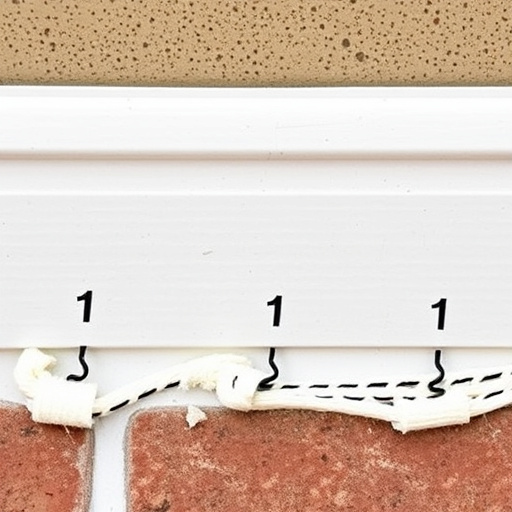
Assessing your home’s caulking is a crucial step in enhancing energy efficiency and insulation. Caulk plays a vital role in sealing gaps around windows, doors, and other openings, preventing the escape of heated or cooled air. According to the U.S. Department of Energy, proper caulking can save up to 10% on heating and cooling bills. During your home repairs, visually inspect caulk for cracks, shriveling, or discoloration, indicating potential issues that need attention.
Take note of common problem areas like window sills, door frames, and the base of exterior walls. These locations are particularly susceptible to drafts and moisture intrusion. If caulking is in poor condition, consider replacing it with a high-quality, weather-resistant product designed for your climate. Silicone caulk is an excellent choice for most applications due to its flexibility and resistance to UV rays, ensuring long-lasting performance.
During the assessment, pay close attention to window frames that show signs of rot or decay. Such damage can compromise structural integrity and insulation efficiency. In severe cases, replacing damaged wood with new materials and reapplying caulking may be necessary. Home repairs focused on caulking replacement not only improve energy efficiency but also extend the lifespan of your windows, enhancing overall home insulation and comfort. Regular maintenance, including reapplication every few years, is key to maintaining optimal energy savings.
Choosing the Right Sealant for Optimal Insulation
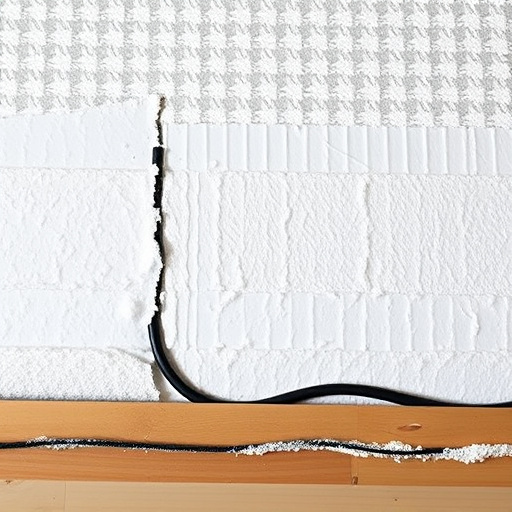
When undertaking window caulking replacements as part of home repairs, selecting the appropriate sealant is paramount for achieving optimal insulation. Different sealants offer varying levels of flexibility, durability, and resistance to temperature fluctuations, each playing a crucial role in maintaining energy efficiency. For instance, silicone sealants excel in sealing out moisture and are ideal for extreme weather conditions, while butyl rubber provides exceptional flexibility, making it suitable for more dynamic window movements.
Understanding the specific needs of your window is key. For single-paned windows, a more flexible sealant might be required to account for temperature expansion, whereas double- or triple-glazed windows may benefit from a more rigid option that maintains a tighter seal over time. Additionally, considering environmental factors such as sun exposure and wind patterns can guide your selection. For instance, areas prone to intense sunlight should opt for UV-resistant sealants to prevent premature degradation.
Experts recommend conducting thorough research or consulting with professionals for personalized advice. Manufacturers’ guidelines on application and curing times must be strictly adhered to ensure the sealant’s effectiveness. Regular maintenance, including reapplication every few years, is essential to maintain the integrity of the seal, thereby enhancing your home’s insulation properties naturally and contributing to significant energy savings over time.
Step-by-Step Guide to Effective Window Caulking Replacement

Effective window caulking replacement is a crucial home repair that significantly enhances energy efficiency and insulation. Start by assessing your windows for existing caulk damage, such as cracks, peeling, or discolored caulk. This step-by-step guide ensures you tackle each window thoroughly. First, remove any loose caulk with a utility knife, taking care not to damage the window frame. Next, clean the surface with a degreasing agent to ensure new caulk adheres properly.
Apply a liberal amount of high-quality caulk around the window’s perimeter, including the edges and any gaps. Use a putty knife to smooth the caulk, creating a seal that follows the contours of the frame. For best results, choose caulk designed for energy efficiency, which expands and contracts with temperature changes, maintaining a secure seal. After application, allow the caulk to cure according to the manufacturer’s instructions, usually 24-48 hours.
Upon curing, inspect your work for any imperfections or gaps. If necessary, lightly sand and clean before reapplying caulk to ensure a seamless finish. This meticulous process not only improves the aesthetics of your windows but also prevents air leakage, resulting in reduced energy bills and enhanced home comfort. According to Energy Star, proper window caulking can save an average homeowner up to 10% on heating and cooling costs annually.
By assessing your home’s caulk for energy efficiency and selecting the right sealant, you can significantly enhance insulation and save on energy costs. A step-by-step guide to window caulking replacement ensures proper sealing, offering long-lasting benefits. These practical home repairs naturally contribute to a more comfortable living environment while promoting sustainability. The insights from this article empower homeowners to take control of their energy consumption, demonstrating the tangible value of such measures.